Arogya Dham Piles and Fistula Hospital Panchkula’s Most Trusted Anorectal Care Centre
August 8, 2026Piles doctor in Chandigarh : A Simple Guide to Getting the Right Anorectal Care
August 31, 2026
By Dr. Rajan Goel & Dr. Poonam Goel Arogya Dham Piles & Fistula Hospital, Panchkula 30+ Years of Experience | 30,000+ Cases Treated Successfully
Every day, patients walk into our clinic from Panchkula, Chandigarh, and Shimla and almost all of them ask the same question before leaving.
Every day, patients walk into our clinic from Panchkula, Chandigarh, and Shimla and almost all of them ask the same question before leaving.
“Doctor, what should I eat and what should I avoid?”
It is one of the most important questions a piles patient can ask. Because no matter how good your treatment is, if your diet is wrong the pain, bleeding, and discomfort will keep coming back.
In this guide, I want to explain everything the same way I explain it to my patients sitting right in front of me simply, clearly, and honestly.
Why Does Diet Matter So Much in Piles?
The biggest enemy of a piles patient is not the disease itself it is constipation and hard stool.
When your stool is hard, you have to strain while passing it. That straining puts direct pressure on the swollen veins around the anal canal. This makes the pain worse, causes bleeding, and prevents healing.
The goal of a piles diet is simple:
- Keep your stool soft
- Prevent constipation
- Make every bowel movement easy and strain-free
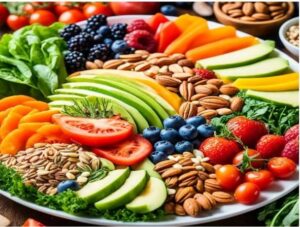
And the way to achieve this is through the right amount of fibre, water, and gut-friendly foods.
Foods to Eat if You Have Piles
Fibre-Rich Vegetables Every Day
The first thing I tell every piles patient is — fill half your plate with vegetables.
Bottle gourd, spinach, carrots, ridge gourd, and French beans are excellent choices. Steam or boil them instead of frying. Excess oil directly worsens piles symptoms.
Beans and lentils are also among the best sources of dietary fibre you can eat daily.
The Best Fruits for Piles
If you live in Chandigarh, Panchkula, or Shimla and you are dealing with piles make this one habit starting tomorrow morning: eat a bowl of ripe papaya on an empty stomach.
Papaya contains an enzyme called papain that naturally softens the stool and improves digestion. It is the single most effective dietary habit I recommend to every patient.
Other fruits that are very helpful:
- Guava — eat it with the seeds, excellent source of fibre
- Pear — eat it with the skin for maximum fibre
- Apple — one apple a day genuinely helps keep constipation away
- Figs (anjeer) — soak them overnight in water and eat in the morning
- Ripe banana — fine in moderate amounts, but avoid unripe bananas completely
Do Not Give Up Dal and Roti
Some patients think eating less will help their piles heal faster. That is completely wrong. Skipping meals makes constipation worse.
Moong dal and masoor dal are the gentlest on your digestive system and ideal for piles patients. Make your rotis with multigrain flour mix wheat with a little bajra or jowar. Avoid maida-based bread, naan, and biscuits entirely.
Brown rice is better than white rice. If you prefer white rice, keep the quantity small and always eat it with dal and vegetables.
Water — The Most Underrated Medicine
I tell every patient — if you do only one thing, do this: drink one large glass of warm water first thing every morning on an empty stomach.
This single habit can make a visible difference within one week.
Aim for 8 to 10 glasses of water through the day. Coconut water, buttermilk, and lemon water are excellent additions. These keep your body hydrated and your stool naturally soft.
Probiotics for Gut Health
- Curd (dahi) — eat one bowl every day
- Buttermilk (chaach) — have it after lunch
- Homemade kanji (seasonal) — a natural probiotic
A healthy gut means easier digestion and softer stools. These foods directly support that.
What Foods to Avoid if You Have Internal Hemorrhoids
Internal hemorrhoids are different from external ones — you cannot see them, but you feel the pain and bleeding from inside. Many patients ignore them for months because there is no visible lump.
But internal hemorrhoids are sensitive to diet in a very direct way. The stool passes right through the affected area — if it is hard or if you strain, it aggravates the condition every single time.
For patients with internal hemorrhoids, these are the most important things to avoid:
- Spicy and oily food — it irritates the inner lining and makes bleeding and burning significantly worse
- Maida-based foods — they cause constipation, which means more straining, which means more damage internally
- Alcohol — it dehydrates the body, hardens the stool, and slows down healing
- Red meat — takes long to digest, increases internal pressure
And on the positive side — warm water every morning, papaya, guava, and moong dal are particularly helpful for internal hemorrhoids.
If your internal hemorrhoids are causing regular bleeding, please do not rely on diet alone. Come see us. Bleeding needs to be examined and treated properly.
Foods to Avoid with Bleeding Hemorrhoids
Bleeding during or after a bowel movement is a warning sign. It should never be ignored.
When bleeding is present, certain foods make it significantly worse. Here is what to strictly avoid:
- Spicy food and red chilli — increases irritation and inflammation in the anal area, directly worsening bleeding
- Alcohol — dehydrates the body, hardens the stool, and is one of the worst things for bleeding piles
- Maida and processed foods — cause constipation, which leads to straining, which triggers more bleeding
- Red meat — slow digestion, increased pressure
- Cold drinks and soda — cause gas and bloating, adding unnecessary pressure
During bleeding, focus on soft foods — papaya, moong dal khichdi, boiled vegetables, plenty of water and coconut water.
One important thing — if you are experiencing bleeding, please consult a doctor. Diet helps manage the condition, but the cause of bleeding must be diagnosed properly.
Foods to Avoid with Hemorrhoids — Starting Today
In our clinic in Panchkula, we see patients from Chandigarh and Shimla who have been unknowingly eating foods every day that are making their hemorrhoids worse. Here are the five biggest offenders:
- Maida (Refined White Flour) Bread, naan, biscuits, cakes, mathri all made from maida, which has almost zero fibre. It is one of the leading causes of constipation. Switch to whole wheat or multigrain options immediately.
- Spicy and Heavily Seasoned Food Red chilli, chaat masala, pickles, street food these directly irritate the anal lining. For a piles patient, eating very spicy food is like putting salt on a wound. Reduce it as much as possible.
- Alcohol Alcohol is one of the worst things for piles — it dehydrates the body from the inside, hardens the stool, and slows down tissue healing. If you are serious about recovery, alcohol needs to stop.
- Red Meat (Mutton, Beef, Pork) These take a long time to digest. The longer food sits in your gut, the more pressure builds up. Cut down significantly or avoid completely while you are healing.
- Cold Drinks and Soda They create gas and bloating, which adds pressure to the rectal area. They have no nutritional value for piles patients. Replace them with coconut water or buttermilk.
Fruits to Avoid in Piles
Most fruits are actually very helpful in piles because of their fibre content. But a few need to be consumed carefully:
Unripe Banana — a ripe banana is fine in moderation. An unripe or raw banana, however, causes constipation. Always make sure the banana is fully ripe before eating.
Excess Mango — ripe mango in small quantities is okay. But raw mango, mango pickle, or eating too much mango at once should be avoided.
Packaged Fruit Juices — these have the fibre removed and are mostly sugar. They do not help with piles at all. Always eat the whole fruit — you get far more benefit.
Lychee and Chikoo in excess — very sweet fruits in large quantities can cause fermentation in the gut and gas. Eat them in small amounts.
Everything else — papaya, guava, pear, apple, figs, pear — eat freely. These are your best friends during piles treatment.
A Simple Daily Routine for Piles Patients
Start your morning with one glass of warm water. Then have papaya or any fruit. For breakfast, oats or daliya works very well.
For lunch — dal, sabzi, and multigrain roti. Have a glass of buttermilk after eating.
Keep your dinner light — soup or khichdi is a great evening option.
Take a 10 to 15 minute walk every day. This alone improves digestion significantly.
Do not take your phone into the bathroom. Do not strain or force. If the bowel movement does not come easily, get up and try again later. Straining is the worst habit a piles patient can have.
Lifestyle Habits That Are Just as Important as Diet
- Warm water every morning — without fail
- 10 to 15 minutes of walking daily
- Never strain during bowel movements — this is a non-negotiable rule
- Indian-style squatting toilets are better for piles patients
- Wear loose, cotton undergarments to reduce irritation
- Get adequate sleep — stress and poor sleep contribute to constipation
When Diet Is Not Enough — You Need Medical Treatment
Diet is a support system. It helps manage mild and early-stage piles. But it is not a cure.
If you are experiencing any of the following, please see a doctor without delay:
- Bleeding during or after bowel movements
- A lump protruding outside the anus
- Severe or persistent pain
- No improvement after 2 to 3 weeks of diet changes
- Suspicion of fistula or fissure
Do not wait. Early treatment means faster, easier recovery.
Frequently Asked Questions (FAQs)
Q1. Can I eat curd (dahi) if I have piles?
Yes, absolutely. Curd is actually beneficial for piles patients. It contains probiotics that improve gut health and digestion. Have one bowl every day.
Q2. Should I stop eating rice if I have piles?
You do not need to stop completely. White rice in limited quantities is fine. Brown rice is better. Always eat rice with dal and vegetables to balance your fibre intake.
Q3. Is tea okay to drink with piles?
One cup a day is fine. More than that can cause dehydration. Always drink a glass of water after your tea.
Q4. What is the best breakfast for piles of patients?
Warm water first, then papaya or fruits, then oats or daliya. Avoid anything made from maida in the morning.
Q5. Can diet permanently cure piles?
Diet helps manage the condition and prevents it from getting worse. It cannot permanently cure piles on its own. For a permanent solution, Kshar Sutra therapy or surgical treatment is required depending on the stage.
Q6. How much water should I drink if I have piles?
At least 8 to 10 glasses per day. One glass of warm water on an empty stomach every morning is the most important one.
Q7. Can I eat eggs if I have piles?
Boiled eggs in moderation are fine. Avoid fried eggs. Since eggs have no fibre, always pair them with a salad or vegetables.
Consult Our Specialists — Get Permanent Relief from Piles
If you are in Panchkula, Chandigarh, or Shimla and have been struggling with piles, fissure, or fistula please do not keep putting it off.
At Arogyadham Piles & Fistula Hospital, Dr. Rajan Goel and Dr. Poonam Goel have been treating anorectal conditions for over 30 years. With more than 30,000 successfully treated cases, they are among the most experienced and trusted piles specialists in North India.
Dr. Poonam Goel is a specialist lady doctor for piles — making Arogyadham the preferred and comfortable choice for female patients.
Our treatment is based on Kshar Sutra therapy — an ancient Ayurvedic parasurgical technique that is painless, highly effective, and has a very low recurrence rate compared to conventional surgery.
We have been honoured with four national awards for our work:
- 🏆 World Signature Award — Best Piles Hospital of North India (2019)
- 🏆 National Leadership & Service Excellence Award — Best Piles Hospital of North India (2020)
- 🏆 India’s Top 50 Achievers & Leaders Award — Healthcare & Medicine (2021)
- 🏆 Atal Achievement Award — Most Trusted Piles Hospital of North India (2022)
Book Your Appointment Today
📞 Call: +91 9814611971 | +91 9814600971
📧 Email: arogyadhamhospitalpkl@gmail.com
📍 Visit: Clinic Site No. 969-A, Behind Govt.Dispensary, Sector 12-A, Panchkula
🌐 Book Online: arogyadhamhospital.in/book-an-appointment
Convenient appointment timings available for patients from Panchkula, Chandigarh, and Shimla.
Do not let piles control your life. The sooner you get treated, the faster and more complete your recovery will be.